Cannabis history in America begins long before the headlines, a story woven into the very fabric of the nation. Imagine a time when hemp, a close cousin to the cannabis we know today, was a cornerstone of colonial life. Picture fields of this versatile plant, not just as a source of rope and textiles, but as a potential currency, a symbol of independence.
This journey takes us from the whispers of its arrival, shrouded in the mists of history, to the bustling markets and medical practices of the 19th century, a period of surprising acceptance and integration.
We’ll delve into the myriad uses of cannabis, from its industrial applications to its place in early medicine, and explore the evolving attitudes towards it. We’ll trace the seeds of change, witnessing how societal perceptions shifted, influenced by everything from the temperance movement to the impact of immigration. Prepare to uncover the legislative battles that shaped its fate, the individuals who championed prohibition, and the counterculture movements that dared to challenge the status quo.
The story culminates in the modern era, where legalization is reshaping landscapes and sparking heated debates, a testament to the complex, ever-evolving nature of cannabis’s role in American society.
How did cannabis initially arrive and become established in the United States, shaping early American culture?: Cannabis History In America
The story of cannabis in America is a complex tapestry woven with threads of commerce, culture, and, eventually, controversy. Its journey to the New World wasn’t a singular event but rather a series of introductions, each contributing to its eventual foothold in American society. From its early utilitarian roles to its later association with counterculture, cannabis’s presence has subtly, yet significantly, shaped the nation’s development.
We will explore the various theories of its arrival and establishment, along with its initial applications and the impact on societal norms.
Theories on the First Introduction of Cannabis to America
The exact origins of cannabis in the United States are shrouded in a bit of historical mystery, but several theories provide compelling narratives. The most common narrative suggests that cannabis arrived with the earliest European settlers. These colonists, seeking to establish self-sufficient settlements, recognized the potential of hemp for fiber production. Evidence points towards its introduction by the English, who brought hemp seeds to Jamestown in the early 17th century.
This aligns with the practical needs of the time, where hemp was a crucial material for ropes, sails, and clothing, essential for the fledgling colonies.Another theory posits that cannabis arrived through trade routes with other European powers and possibly even through the transatlantic slave trade. Portugal and Spain, with their established empires, might have introduced cannabis through their colonies in the Americas, and seeds could have spread through informal channels, making it difficult to pinpoint the exact origin.
Furthermore, the Spanish, with their vast colonial empire, had a significant presence in what is now the southwestern United States, and cannabis could have made its way through these territories. The Dutch, known for their trading prowess, also played a role in global commerce, potentially introducing cannabis via their settlements.Some historians suggest that cannabis may have even arrived earlier than commonly believed, possibly with the Vikings.
While less substantiated, the Vikings were known for their seafaring capabilities and may have had contact with regions where cannabis was already cultivated. However, the evidence supporting this theory is scarce. Regardless of the exact route, the plant’s adaptability allowed it to thrive in various climates across the continent, contributing to its widespread adoption. The early cultivation was primarily focused on industrial applications, which would shape the perception of the plant for centuries.
Early American Cannabis Usage and Societal Norms
In the nascent days of the United States, cannabis was not viewed with the same suspicion that would later characterize its relationship with society. Instead, it was a workhorse, a versatile resource essential to the burgeoning nation. Its primary application was in the production of hemp fiber, a strong and durable material. This fiber was used to create ropes, sails, and canvas, vital components for shipbuilding, a cornerstone of early American trade and exploration.
Clothing, too, was fashioned from hemp, providing a sturdy and practical fabric for everyday wear.Beyond its industrial uses, cannabis also found its way into medicine. Early physicians, often drawing on European practices, utilized cannabis for various ailments. The plant’s properties were believed to alleviate pain, treat inflammation, and address other medical conditions. While the scientific understanding of cannabis was limited at the time, its perceived medicinal benefits led to its inclusion in the pharmacopoeia of the era.
This integration into the medical landscape further normalized its presence in society.The cultivation of hemp was so crucial that it became a legally mandated crop in several colonies. Farmers were encouraged, and sometimes even required, to grow hemp to ensure a steady supply for the nation’s needs. This government-backed promotion solidified hemp’s place in the American economy and subtly influenced societal norms.
The widespread cultivation and use of cannabis fostered a sense of acceptance and practicality. It was not seen as a threat but as a valuable resource. The cultural perception of cannabis was far removed from the stigma that would later arise. It was a utilitarian plant, integrated into the fabric of daily life, influencing both economic development and societal views.
The legal requirement for hemp cultivation demonstrates its importance.
The Role of Hemp in Early American Agriculture and Policies, Cannabis history in america
Hemp held a pivotal position in the early American economy, serving as a cornerstone of agricultural production and influencing governmental policies. Its robust fibers were indispensable for various industries, and its cultivation became a priority for both individual farmers and the fledgling nation. The economic benefits were clear, and the government recognized hemp’s strategic importance, leading to policies designed to promote its growth.The importance of hemp was reflected in various regulations and incentives.
Colonial governments, understanding the need for self-sufficiency, often mandated or strongly encouraged hemp cultivation. For instance, in Virginia, farmers were required to grow hemp, ensuring a reliable supply of the material. This was not merely a suggestion; it was a legally binding obligation. These policies were designed to support industries such as shipbuilding, which depended heavily on hemp for ropes and sails.
The success of the American colonies and their ability to trade with other nations depended, in part, on a steady supply of hemp.Hemp’s influence extended beyond agriculture. It played a role in shaping trade regulations and the development of early American infrastructure. The availability of hemp facilitated the expansion of maritime trade, allowing the colonies to engage with the global economy.
Furthermore, hemp was used in the construction of roads and other essential infrastructure projects. Its versatility and strength made it a valuable resource for building a nation. This widespread use and the economic benefits associated with hemp cultivation had a profound impact on early American policies and regulations, embedding it within the fabric of society.
What significant shifts in perception and use of cannabis happened during the 19th and early 20th centuries?

The 19th and early 20th centuries witnessed a dramatic evolution in how cannabis was viewed and utilized in America. From its initial acceptance as a medicinal panacea to its eventual demonization and criminalization, the story of cannabis during this period reflects shifting social attitudes, medical practices, and political agendas. The changing perceptions were often intertwined with cultural anxieties, economic interests, and racial biases, ultimately shaping the legal status and societal understanding of the plant for decades to come.
Evolving Attitudes Toward Cannabis During the 19th Century
The 19th century presented a fascinating period of transition for cannabis in America, where it transformed from a relatively obscure medicinal agent to a more widely recognized, albeit misunderstood, substance. Early in the century, cannabis enjoyed a degree of acceptance, particularly within medical circles. This was a time of burgeoning pharmaceutical advancements, and cannabis, with its purported therapeutic properties, fit comfortably within the pharmacopoeia of the day.Initially, cannabis extracts, tinctures, and preparations were readily available, and doctors prescribed them for a variety of ailments.
The therapeutic uses were diverse, ranging from pain relief and insomnia treatment to addressing conditions like rheumatism, tetanus, and even mental disorders. The lack of stringent regulations allowed for widespread access and use, with little social stigma attached.However, as the century progressed, the medical landscape began to shift. The rise of synthetic drugs and the increasing standardization of medical practices gradually diminished the reliance on herbal remedies like cannabis.
The lack of consistent dosage and the unpredictable effects of cannabis preparations also contributed to its waning popularity among physicians. Furthermore, as medical understanding advanced, the perceived efficacy of cannabis for various conditions came under scrutiny, with some doctors questioning its effectiveness.Simultaneously, recreational use of cannabis began to emerge, though it was not yet a widespread phenomenon. In the context of the 19th century, recreational use primarily involved the consumption of cannabis preparations, such as tinctures, by a small segment of the population.
This often occurred in social settings, but it was not widely known or publicly discussed. The concept of “recreational use” was still evolving, and the boundaries between medicinal and social consumption were often blurred.By the late 19th century, societal attitudes towards cannabis were beginning to change. The temperance movement, which advocated for the prohibition of alcohol, contributed to a broader cultural shift towards moral reform and the regulation of potentially harmful substances.
Cannabis, while not the primary focus of the temperance movement, was gradually drawn into this broader conversation about substance control. The seeds of future prohibition were being sown, although the complete criminalization of cannabis was still decades away. This era laid the foundation for the later controversies and legal battles that would define the 20th-century cannabis landscape.
Emergence of Cannabis in the Context of the Temperance Movement
The temperance movement, a powerful social force that gained momentum in the 19th century, played an indirect but significant role in shaping the perception and eventual legal status of cannabis in America. While the primary target of the temperance movement was alcohol, its broader agenda of moral reform and substance control created an environment where other potentially intoxicating substances, including cannabis, were viewed with increasing suspicion.
The movement’s influence extended beyond alcohol, touching upon various aspects of American society and influencing how different groups perceived and interacted with substances like cannabis.Here are some examples that illustrate how cannabis became associated with the temperance movement’s concerns and how different social groups viewed it:
- Middle-Class Reformers: This group, the core of the temperance movement, viewed cannabis, along with alcohol, as a threat to social order and morality. They believed that substances that altered consciousness undermined personal responsibility, family values, and the overall stability of society.
- Religious Organizations: Many religious groups aligned with the temperance movement, condemning the use of intoxicants as sinful and detrimental to spiritual well-being. They saw cannabis as another vice that could lead individuals astray and undermine their moral compass.
- Medical Professionals: While some doctors initially prescribed cannabis for medicinal purposes, a growing number became skeptical of its efficacy and potential for abuse. The temperance movement provided a platform for these medical professionals to express their concerns about cannabis and advocate for its regulation.
- African Americans: Though not a primary focus, some African Americans, often facing discrimination and social marginalization, may have been targeted by laws or societal biases related to cannabis use. This connection, while not universally applied, contributed to the racialization of cannabis use in the following century.
- Immigrant Communities: As cannabis use became associated with specific ethnic groups, particularly Mexicans in the early 20th century, the temperance movement’s anxieties about immigration and cultural assimilation intertwined with concerns about cannabis. This created a climate of fear and prejudice, contributing to the demonization of the plant.
The temperance movement’s legacy regarding cannabis is complex. While it didn’t directly target cannabis in its early years, it established a framework of moral condemnation and regulatory control that would later be used to justify the prohibition of cannabis. The movement’s focus on substance control, its influence on public opinion, and its alignment with various social groups set the stage for the anti-cannabis sentiment that would become prevalent in the 20th century.
Impact of the Mexican Revolution on Cannabis Use in America
The Mexican Revolution (1910-1920) significantly impacted the cultural exchange and perceptions of cannabis in the United States. The revolution led to an influx of Mexican immigrants into the Southwest, bringing with them their cultural practices, including the use of cannabis, which was already prevalent in certain regions of Mexico. This influx sparked a series of cultural interactions and clashes, ultimately reshaping American attitudes towards the plant.
The following table provides a four-column overview of this impact:
| Aspect | Description | Impact | Examples |
|---|---|---|---|
| Cultural Exchange | The arrival of Mexican immigrants introduced cannabis to a broader segment of the American population, particularly in the Southwest. Cannabis, known as “marijuana” in Mexico, became associated with Mexican culture. | This exchange led to the increased awareness and, initially, curiosity about cannabis. It also contributed to the cultural diffusion of cannabis-related practices, such as smoking. |
|
| Shifting Perceptions | As cannabis use became associated with Mexican immigrants, it began to be perceived as a foreign and potentially dangerous substance. This association was amplified by racial prejudices and economic anxieties prevalent in American society at the time. | The association with a marginalized group fueled negative stereotypes and contributed to the demonization of cannabis. The plant began to be seen as a threat to American values and social order. |
|
| Legal and Political Responses | The growing negative perceptions of cannabis, coupled with the temperance movement’s influence, led to calls for regulation and prohibition. State and local governments began enacting laws to restrict the sale and use of cannabis. | The legal response to cannabis use became increasingly punitive. The groundwork was laid for the federal prohibition of cannabis, which would be enacted in the 1930s. |
|
| Economic and Social Impacts | The criminalization of cannabis disproportionately affected Mexican communities, leading to arrests, imprisonment, and social stigmatization. This had significant economic and social consequences for those communities. | The association of cannabis with crime and deviancy further marginalized Mexican communities, contributing to systemic discrimination and creating barriers to social mobility. |
|
What were the key legislative actions and regulatory changes that led to the prohibition of cannabis in the United States?

The journey of cannabis in America, from relative acceptance to outright prohibition, is a complex tale woven with threads of economic anxieties, racial prejudice, and moral crusades. The seeds of prohibition were sown long before the formal laws took root, but the culmination of these factors resulted in a dramatic shift in how cannabis was viewed and regulated, transforming it from a readily available substance to a heavily controlled one.
This transformation had far-reaching consequences that continue to shape the legal and social landscape of cannabis today.
Legislative Acts and Policies Prohibiting Cannabis
The path to prohibition wasn’t a straight one. Several key pieces of legislation and policies laid the groundwork for the eventual ban on cannabis. These actions were often rooted in misconceptions, fueled by fear, and presented with an eye towards specific social and economic agendas.* The early 20th century saw a wave of state-level restrictions targeting cannabis, particularly in the Southwest. These early laws, often passed in the 1910s and 1920s, were the first steps toward national prohibition, but they lacked the broad reach necessary to fully curtail cannabis use.
They reflected local concerns, often tied to anti-immigrant sentiment and racial prejudice.
- The Uniform State Narcotic Act of 1934 was a model law, aimed at standardizing drug control across states. While not explicitly banning cannabis, it provided a framework that states could adopt to regulate its use. This act demonstrated a growing national consensus on the need for drug control.
- The Marihuana Tax Act of 1937 was the pivotal legislation that effectively criminalized cannabis at the federal level. This act, ostensibly a tax measure, created a de facto prohibition by imposing onerous taxes and regulations on anyone who dealt in cannabis. It made it exceedingly difficult, if not impossible, to legally possess or use cannabis, paving the way for its widespread criminalization.
This act, as we’ll explore, was a turning point.
The motivations behind these legislative actions were multifaceted. Economic anxieties during the Great Depression, coupled with the rising popularity of cannabis, led some to believe it was a threat to social order. The association of cannabis with marginalized groups, particularly Mexican immigrants, fueled racial prejudice and further cemented the push for prohibition. Powerful figures, fueled by personal agendas, capitalized on these fears to advance their own interests.
Individuals and Organizations Advocating for Cannabis Prohibition
The prohibition of cannabis wasn’t a spontaneous event; it was the result of a concerted effort by specific individuals and organizations. These groups employed various strategies to sway public opinion and influence policy, ultimately leading to the criminalization of cannabis.* Harry Anslinger, the first commissioner of the Federal Bureau of Narcotics (FBN), played a pivotal role in the prohibition movement. He spearheaded a relentless campaign against cannabis, utilizing propaganda and misinformation to demonize the plant and its users.
Anslinger’s relentless pursuit, driven by a combination of moral conviction and institutional self-preservation, was instrumental in shaping public perception and driving the legislative agenda.
- Newspapers and media outlets amplified the anti-cannabis rhetoric. Sensationalized stories, often featuring exaggerated claims about the drug’s effects and its association with violence and crime, became commonplace. This media barrage created a climate of fear and contributed significantly to the public’s negative perception of cannabis.
- The American Medical Association (AMA) initially opposed prohibition, recognizing the medicinal value of cannabis. However, the AMA’s influence waned as Anslinger and the FBN gained prominence. The AMA’s eventual acquiescence to prohibition reflected the changing political landscape and the increasing pressure from anti-drug forces.
The strategies employed by these groups were effective in achieving their goals. They skillfully exploited existing prejudices, crafted compelling narratives, and used their influence to shape public opinion and push for legislative action. Their efforts, combined with the changing social and economic climate, ultimately led to the prohibition of cannabis, which had a profound impact on American society.
Impact of the Marihuana Tax Act of 1937
The Marihuana Tax Act of 1937 marked a watershed moment in the history of cannabis in the United States. This legislation, presented as a tax measure, effectively criminalized the plant and ushered in an era of prohibition that would last for decades. The consequences of this act were far-reaching, impacting the availability, use, and perception of cannabis across the nation.The act made it extremely difficult, if not impossible, for individuals to legally obtain or use cannabis.
Those who possessed or distributed cannabis were required to register and pay a tax, but the registration process was cumbersome and designed to discourage compliance. Furthermore, the act imposed severe penalties, including fines and imprisonment, for non-compliance. This created a climate of fear and led to the widespread criminalization of cannabis users and distributors. Law enforcement agencies, empowered by the new law, began actively targeting cannabis-related activities, leading to arrests, prosecutions, and the imprisonment of countless individuals.The availability of cannabis plummeted as a result of the act.
Legal channels for obtaining cannabis vanished, forcing users and distributors into the black market. This shift to the illicit market increased the risks associated with cannabis use, including exposure to contaminated products and interactions with criminal elements. The clandestine nature of the black market made it difficult to regulate the quality and potency of cannabis, leading to concerns about public health and safety.
The price of cannabis also increased, making it less accessible to low-income individuals and communities.The Marihuana Tax Act also significantly altered the perception of cannabis. Before prohibition, cannabis had been used for medicinal purposes and enjoyed a degree of social acceptance. The act, however, transformed cannabis into a dangerous and illegal substance. The media, fueled by the government’s anti-cannabis propaganda, portrayed cannabis as a gateway drug that led to violence, crime, and moral decay.
This negative portrayal, coupled with the criminalization of cannabis, stigmatized its users and created a culture of fear and misinformation. The act’s legacy is still felt today, as the stigma surrounding cannabis continues to affect public opinion and policy decisions.
How did the counterculture movement and the War on Drugs influence the cannabis landscape in the latter half of the 20th century?
The latter half of the 20th century witnessed a dramatic reshaping of the cannabis landscape in the United States, driven by two powerful forces: the counterculture movement and the government’s War on Drugs. These forces, often in direct opposition, created a complex and evolving relationship between cannabis, society, and the law. This period saw a significant shift in public perception, usage patterns, and legal frameworks surrounding the plant.
The Counterculture Movement’s Challenge to Cannabis Prohibition
The counterculture movement of the 1960s and 70s, a vibrant tapestry of social and political rebellion, provided fertile ground for the challenge to cannabis prohibition. This movement, characterized by its rejection of mainstream values and embrace of alternative lifestyles, viewed cannabis not just as a recreational substance but as a symbol of freedom, rebellion, and a challenge to authority.The counterculture movement employed a multifaceted approach to undermine the existing prohibition:
- Advocacy and Education: Activists actively campaigned for cannabis legalization, utilizing various methods such as organizing rallies, creating educational materials, and establishing advocacy groups. They aimed to dispel the misinformation surrounding cannabis, highlighting its purported medicinal benefits and downplaying the harms. They used pamphlets, underground newspapers, and public demonstrations to spread their message.
- Cultural Integration: Cannabis became deeply intertwined with the counterculture’s aesthetics and ethos. It was celebrated in music, art, and literature, cementing its association with rebellion and nonconformity. Artists and musicians, such as Bob Dylan and The Beatles, openly referenced cannabis in their work, further normalizing its use among their followers.
- Civil Disobedience: Many individuals engaged in civil disobedience by openly using and distributing cannabis, defying existing laws and challenging the state’s authority. This included the formation of “smoke-ins” and public demonstrations to directly confront the legal restrictions.
- Philosophical Arguments: Counterculture proponents often framed cannabis use as a matter of personal freedom and bodily autonomy. They argued that individuals should have the right to choose what they consume, regardless of government restrictions. They also highlighted the hypocrisy of a system that permitted alcohol and tobacco while criminalizing cannabis.
- Medical Justification: Advocates began to emphasize the potential medical benefits of cannabis, particularly in alleviating symptoms of various ailments. They cited anecdotal evidence and early research suggesting its effectiveness in treating conditions like glaucoma and nausea.
This combined effort helped to plant the seeds of change, gradually shifting public opinion and paving the way for future reforms. The movement’s focus on personal liberty, combined with its cultural impact, significantly challenged the established norms surrounding cannabis and contributed to the ongoing debate over its legal status. The counterculture movement’s actions were a significant factor in shaping the future of cannabis in the United States.
What significant developments and changes have occurred in the 21st century concerning cannabis legalization and its societal impacts?
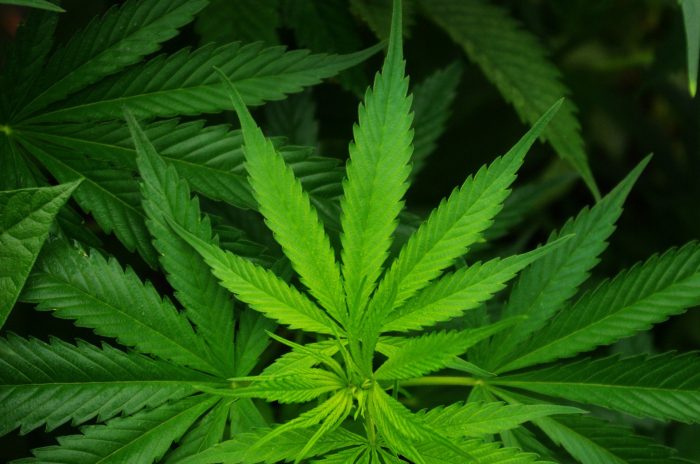
The 21st century has witnessed a dramatic shift in the legal status and societal perception of cannabis in the United States. From a period of near-total prohibition, the nation has embarked on a path toward legalization, albeit a patchwork one, with each state navigating its own unique regulatory landscape. This evolution has sparked considerable debate, encompassing economic opportunities, social justice concerns, and public health considerations.
Progression of Cannabis Legalization Across the United States
The movement towards cannabis legalization in the 21st century has been a gradual, state-by-state process, marked by key milestones and evolving legal frameworks. This journey reflects a growing acceptance of cannabis and a recognition of its potential benefits and societal impacts.The early 2000s saw a continuation of medical marijuana initiatives, with several states legalizing cannabis for medicinal purposes. This initial wave laid the groundwork for more comprehensive reforms.
- 2012: Colorado and Washington became the first states to legalize recreational cannabis for adult use, marking a watershed moment. This bold step challenged federal prohibition and paved the way for other states to follow suit. The success of these initial legalization efforts, including tax revenues and a decrease in cannabis-related arrests, provided valuable data and fueled the movement.
- 2014: Oregon, Alaska, and the District of Columbia legalized recreational cannabis.
- 2016: California, Massachusetts, Maine, and Nevada legalized recreational use, further solidifying the trend.
- Subsequent Years: Numerous other states, including Illinois, Michigan, Vermont, and New York, have since legalized recreational cannabis, with more states actively considering similar measures.
The legal frameworks governing cannabis vary significantly across states. Some states have adopted a fully regulated market, with licensing, taxation, and quality control measures. Others have taken a more limited approach, focusing on medical cannabis or decriminalization. These different models offer valuable insights into the potential benefits and challenges of various legalization approaches.The evolution of these legal frameworks has also seen shifts in regulatory approaches, including:
- Taxation: States have experimented with different tax rates and structures, aiming to balance revenue generation with affordability and consumer access.
- Licensing: Regulatory bodies have established licensing systems for cultivation, processing, distribution, and retail sales, setting standards for businesses and ensuring product safety.
- Social Equity Programs: Many states have incorporated social equity programs to address the disproportionate impact of cannabis prohibition on communities of color, offering opportunities for individuals from these communities to participate in the cannabis industry.
The federal government’s stance on cannabis remains a complex issue. While cannabis remains illegal under federal law, the Department of Justice has generally adopted a policy of non-interference with state-legal cannabis programs, provided they adhere to certain guidelines. This has created a legal gray area, with federal laws often conflicting with state laws. The ongoing debate over federal legalization and the potential for a more harmonized legal landscape continues to shape the future of cannabis in the United States.
Economic and Social Effects of Cannabis Legalization
The legalization of cannabis has had a wide-ranging impact on the economy and society, presenting both opportunities and challenges. The economic effects are particularly notable, with significant revenue generation, job creation, and the emergence of new industries.The cannabis industry has become a significant economic force in many states. Tax revenues from cannabis sales have generated substantial funds for state governments, which are often allocated to public services like education, infrastructure, and public health initiatives.
- Revenue Generation: Colorado, for example, has generated billions of dollars in tax revenue since legalizing recreational cannabis, funding a variety of state programs.
- Job Creation: The cannabis industry has created thousands of jobs in cultivation, processing, retail, and ancillary businesses.
- Investment: The legalization of cannabis has attracted significant investment, both from within the industry and from outside investors.
The impact on various industries has also been significant. The agricultural sector has seen the emergence of new cannabis farms and cultivation facilities. The retail sector has witnessed the growth of cannabis dispensaries and related businesses. Ancillary industries, such as packaging, security, and consulting, have also benefited from the growth of the cannabis market.The social effects of cannabis legalization are multifaceted and complex.
- Criminal Justice Reform: Legalization has led to a decrease in cannabis-related arrests, reducing the burden on the criminal justice system and freeing up resources for other priorities.
- Social Equity: Social equity programs are aimed at addressing the disproportionate impact of cannabis prohibition on communities of color. These programs aim to provide opportunities for individuals from these communities to participate in the cannabis industry and benefit from its economic growth.
- Public Health: The impact on public health is a subject of ongoing debate. Some studies suggest that legalization may lead to increased cannabis use, while others suggest that it may lead to a decrease in the use of more harmful substances, such as opioids.
The societal impact extends beyond economics and criminal justice. Legalization has contributed to a shift in public attitudes toward cannabis, with increased acceptance and reduced stigma. The availability of cannabis products has also expanded, offering consumers a wider range of choices and options.
Ongoing Debates and Controversies Surrounding Cannabis Legalization
The legalization of cannabis continues to be a subject of intense debate, with various stakeholders holding differing viewpoints. These debates revolve around issues of public health, social justice, economic impact, and regulatory frameworks.Supporters of legalization often highlight the economic benefits, including tax revenues, job creation, and investment opportunities. They also emphasize the potential for criminal justice reform, reducing arrests and addressing the disproportionate impact of prohibition on communities of color.
They argue that legalization allows for better regulation and control of cannabis products, ensuring product safety and quality. They believe that legalization can reduce the stigma associated with cannabis use, leading to more open discussions about its potential benefits and risks.
“Legalizing cannabis has proven to be a financial boon for states, creating jobs and generating tax revenue that can be used to fund vital public services.”
*Pro-legalization advocate*
Opponents of legalization raise concerns about public health and safety. They argue that legalization may lead to increased cannabis use, particularly among young people, and could contribute to impaired driving and other safety risks. They express concerns about the potential for addiction and other health problems associated with cannabis use. They also worry about the impact on communities, including potential increases in crime rates and the normalization of drug use.
“The long-term health consequences of widespread cannabis use are still unknown, and we must proceed with caution to protect the well-being of our communities.”
*Anti-legalization advocate*
The debate also extends to regulatory frameworks.
- Taxation: Some argue that high tax rates can drive consumers to the black market, while others argue that lower tax rates may not generate enough revenue.
- Advertising: Restrictions on cannabis advertising are often debated, with some arguing for strict regulations to protect public health and others arguing for more lenient rules to allow businesses to promote their products.
- Product Safety: Ensuring the safety and quality of cannabis products is a key concern, with debates over testing requirements, labeling standards, and potency limits.
The impact on social equity is another major point of contention. Some argue that existing social equity programs are insufficient to address the historical injustices of cannabis prohibition. They advocate for more comprehensive measures, such as expungement of past cannabis convictions and greater access to capital for minority-owned businesses.
“We must ensure that the benefits of the cannabis industry are shared equitably, and that those most harmed by prohibition are given opportunities to succeed.”
*Social equity advocate*
The ongoing debates surrounding cannabis legalization reflect the complex interplay of economic, social, and public health considerations. The future of cannabis in the United States will depend on the continued evolution of these debates and the development of effective regulatory frameworks that balance the potential benefits with the need to protect public health and safety.
