Smoking a cart, a seemingly simple act, opens the door to a complex world of technology, substances, and social influences. This exploration delves into the reasons behind the initial allure, particularly for young adults and teenagers, examining the pull of peer pressure and the shiny facade of social media trends. We’ll peel back the layers to understand the mechanics of these devices, from the heating elements to the various substances they deliver, and explore the immediate and long-term consequences that accompany their use.
The journey continues by dissecting the legal landscape, addictive potential, and broader societal impacts of cartridge devices. We’ll navigate the evolving regulations, examine the economic costs, and address the strategies for prevention and education. Ultimately, this comprehensive overview aims to provide a clear, insightful understanding of the multifaceted nature of smoking a cart, considering the future of this technology and its place in our society.
Exploring the Initial Appeal of Smoking a Cartridge Device to Young Adults and Teenagers
The allure of cartridge devices, particularly among young people, stems from a complex interplay of factors, ranging from social dynamics to technological advancements and marketing strategies. These devices, often marketed with sleek designs and appealing flavors, have rapidly gained popularity, posing significant challenges to public health initiatives. Understanding the initial appeal requires a nuanced examination of the motivations driving this trend.
Common Reasons for Initial Attraction to Cartridge Devices
Young adults and teenagers are drawn to cartridge devices for several intertwined reasons. The perceived social benefits, coupled with the influence of trends and accessibility, create a potent combination. The ease of use and discreet nature of these devices also contribute significantly to their appeal.The perceived social benefits are multifaceted.
The idea of fitting in, of being accepted by peers, is a powerful motivator during adolescence and early adulthood.
Cartridge devices, often associated with a certain “cool” factor, can be seen as a way to enhance social status within specific peer groups. This perception is often amplified by the way these devices are portrayed in popular culture and social media. The discreet nature of cartridge devices allows users to consume them in various settings, including schools and public places, further contributing to their social integration and normalizing their use.
Trends, especially those popularized on platforms like TikTok and Instagram, showcase vaping as a desirable activity, influencing young individuals to experiment. Accessibility, in terms of both availability and affordability, plays a crucial role. These devices are readily available in convenience stores and online, making them easily obtainable, and the initial cost can seem relatively low, particularly compared to the long-term expenses associated with traditional tobacco products.
Furthermore, the wide array of flavors offered caters to youthful preferences, making the experience more appealing and palatable. The combination of these factors creates a compelling narrative, making cartridge devices attractive to young people seeking social acceptance, trendsetting behavior, and an easily accessible way to experiment.
Influence of Peer Pressure and Social Media on Cartridge Device Uptake
Peer pressure and social media are significant catalysts in the uptake of cartridge devices among young people. These factors shape perceptions, normalize behaviors, and create a sense of belonging. The following table illustrates the influence of peer pressure and social media in real-world scenarios:
| Factor | Description | Real-World Scenario |
|---|---|---|
| Peer Pressure | Direct or indirect influence from peers to engage in vaping. This can involve explicit encouragement or the subtle pressure of observing friends vaping and wanting to be included. | At a high school party, a group of friends is vaping. A new student, hesitant at first, is offered a puff and, feeling the pressure to fit in and be accepted, eventually succumbs. |
| Social Media Influence | Exposure to vaping content on platforms like Instagram and TikTok, often featuring attractive influencers or stylized videos that normalize and glamorize the practice. | A teenager sees a popular influencer on TikTok showcasing a new cartridge device with appealing flavors and sleek design. The influencer’s content portrays vaping as a cool and fashionable activity, leading the teenager to research and purchase a similar device. |
| Combined Influence | The synergistic effect of peer pressure and social media, where online trends reinforce real-world social dynamics, creating a powerful incentive to vape. | A group of friends on social media shares photos and videos of themselves vaping, using specific hashtags associated with the devices. This content encourages other friends, both online and offline, to try vaping, reinforcing the group’s social identity and shared experiences. |
Coolness Factor Versus Potential Long-Term Health Consequences
The perceived “coolness” factor of cartridge devices often clashes with the potential long-term health consequences. This section examines both sides of this argument, highlighting the risks and the perceived benefits.The “coolness” factor is largely driven by marketing, social media, and peer influence.
The sleek designs, variety of flavors, and discreet nature of the devices contribute to this perception.
They are often associated with a sense of rebellion, trendiness, and social acceptance. This image is further reinforced by the way vaping is portrayed in popular culture, with images of stylish individuals using these devices. The perceived benefits include a sense of belonging, a way to experiment with a new trend, and the potential to be seen as more socially acceptable within certain circles.
However, this perception often overshadows the potential long-term health consequences. The potential for nicotine addiction is significant, especially for young people whose brains are still developing. Nicotine can affect brain development, impacting attention, learning, and impulse control. The long-term effects of inhaling the chemicals in vaping aerosols are still being studied, but early research indicates a risk of respiratory problems, cardiovascular issues, and an increased susceptibility to other diseases.
Moreover, the use of cartridge devices can serve as a gateway to other forms of tobacco use. The immediate gratification and social appeal can often outweigh the delayed consequences, leading to risky behaviors. This imbalance highlights the critical need for comprehensive education and awareness campaigns to help young people make informed decisions.
Detailing the Specific Components and Operation of a Cartridge Device
The allure of cartridge devices, often referred to as vape pens, stems from their sleek design and ease of use. Understanding their inner workings is key to appreciating their functionality and using them safely. These devices, though seemingly simple, are engineered with precision to deliver a vaporized experience.
Internal Mechanisms of a Cartridge Device
At the heart of a cartridge device lies a carefully orchestrated interplay of components. Each element plays a crucial role in transforming a liquid concentrate into an inhalable vapor. The fundamental parts work together, like a well-oiled machine, to provide a user experience that is both efficient and enjoyable.The primary components of a cartridge device are:* The Cartridge: This is the container that holds the cannabis oil or other concentrates.
It typically consists of a glass or plastic reservoir, a mouthpiece, and an atomizer (heating element). The cartridge’s design is critical, as it directly impacts the flavor profile and vapor production. Cartridges are often made with a ceramic or metal coil and a wick, which absorbs the oil and delivers it to the heating element.* The Atomizer (Heating Element): The atomizer is the engine of the device, responsible for vaporizing the concentrate.
It’s usually a coil of wire (often made of Kanthal, ceramic, or stainless steel) wrapped around a wick. When the battery provides power, the coil heats up, vaporizing the oil that is in contact with the wick. The temperature of the coil is a crucial factor in the vaping experience, influencing the vapor’s density, flavor, and the potential for harmful byproducts.* The Battery: The battery provides the power to heat the atomizer.
It can be a built-in rechargeable battery or a replaceable one. Batteries come in various sizes and capacities, impacting the device’s overall size and the duration of use between charges. Some batteries have variable voltage settings, allowing users to customize their vaping experience by adjusting the heat output of the atomizer. The battery also often contains the control circuitry for the device, including safety features and power regulation.* The Connection: The connection between the cartridge and the battery is typically a 510-thread connection, a standard thread type in the vaping industry.
This allows for compatibility between a wide range of cartridges and batteries. The connection facilitates the transfer of power from the battery to the atomizer.* Airflow System: A crucial aspect often overlooked is the airflow system. This system allows air to pass through the device, carrying the vapor from the atomizer to the mouthpiece. Proper airflow ensures efficient vaporization and a smooth draw.
The design of the airflow system can vary, influencing the draw resistance and overall user experience.
Safe Operation of a Cartridge Device: A Step-by-Step Guide
Using a cartridge device safely requires a combination of understanding and careful execution. Following these steps can help ensure a positive and responsible vaping experience. Safety is paramount when operating any electronic device, and cartridge devices are no exception.Here’s a guide to safely using a cartridge device:* Pre-Use Checks:
Inspect the cartridge for any cracks or leaks.
Ensure the battery is charged.
Check the cartridge connection to the battery to ensure it is secure.
Examine the mouthpiece for any blockages. –
Preparation
If applicable, select your desired voltage or temperature setting. Start with a low setting to assess the vapor quality. Take slow, controlled draws. Avoid long, aggressive inhales, which can overheat the device.
Inhalation Techniques
Gently inhale from the mouthpiece.
Allow the vapor to fill your mouth before inhaling it into your lungs.
Exhale slowly.
Post-Use Maintenance
Turn off the device or remove the cartridge when not in use.
Store the device in a cool, dry place, away from direct sunlight and extreme temperatures.
Clean the mouthpiece regularly with a cotton swab or appropriate cleaning solution.
Periodically check the connection points for residue and clean them if necessary.
Comparing Cartridge Device Types
The cartridge device market offers a diverse range of options, each with unique features. Understanding the differences between these devices can help users choose a device that best suits their needs and preferences. Consider the following characteristics when selecting a cartridge device:Here’s a comparison of various cartridge device types:
| Feature | Standard Vape Pen | Variable Voltage/Temperature Device | Pod System | Disposable Vape Pen |
|---|---|---|---|---|
| Battery Life | Typically 200-300mAh (Moderate) | Often 300-1000mAh (Variable, depends on the device) | Generally 200-500mAh (Moderate to good) | Single-use, battery life dependent on capacity (usually 200-400mAh) |
| Cartridge Capacity | 0.5ml – 1.0ml (Standard) | 0.5ml – 1.0ml (Standard) | 0.5ml – 2.0ml (Typically pre-filled pods) | 0.5ml – 1.0ml (Pre-filled) |
| Design | Simple, pen-like design | More complex, with display screens and buttons | Compact, often with a pod-like shape | Compact, all-in-one design |
| Features | On/Off functionality, basic | Variable voltage/temperature settings, display, preheat function | Simple to use, often draw-activated | Easy to use, pre-filled, no settings |
Unpacking the Different Substances Commonly Found in Cartridge Devices

The allure of cartridge devices often stems from the promise of discreet and convenient consumption. However, this convenience masks a complex reality: the diverse array of substances within these devices, each carrying its own set of potential health implications. Understanding these substances, their sources, effects, and associated risks is paramount to making informed decisions.
Nicotine
Nicotine, a highly addictive substance, is a primary component of many e-liquids found in cartridge devices. It’s extracted from the tobacco plant and is the driving force behind the addictive nature of vaping.
- Source and Purported Effects: Nicotine is extracted from tobacco leaves. Its primary effect is to stimulate the release of dopamine, a neurotransmitter associated with pleasure and reward, leading to feelings of satisfaction and a cycle of dependence. This creates a quick ‘buzz’ effect that is highly sought after by users.
- Potential Risks: The short-term effects of nicotine use can include increased heart rate and blood pressure, nausea, and dizziness. Long-term exposure is linked to increased risk of cardiovascular diseases, including heart attack and stroke. Furthermore, nicotine can impair brain development in adolescents and young adults, impacting cognitive function and impulse control.
- Chemical Composition:
Nicotine (C₁₀H₁₄N₂) is an alkaloid. It’s a colorless to yellowish oily liquid that is readily absorbed through the lungs. It is often mixed with a carrier liquid, such as propylene glycol (C₃H₈O₂) or vegetable glycerin (C₃H₈O₃), and flavorings to create e-liquids.
Tetrahydrocannabinol (THC)
THC, the psychoactive compound in cannabis, is another frequently encountered substance in cartridge devices, often sold as “vape pens” or “THC cartridges.” The appeal lies in its ability to induce a euphoric “high” and other effects associated with marijuana use.
- Source and Purported Effects: THC is extracted from the cannabis plant. Its primary effect is to interact with the endocannabinoid system in the brain, leading to altered perception, mood changes, and relaxation. The intensity of these effects varies based on the concentration of THC and individual tolerance.
- Potential Risks: Short-term effects can include anxiety, paranoia, impaired coordination, and memory problems. Long-term use has been linked to respiratory issues, and potential mental health problems, especially in individuals predisposed to such conditions. The high concentrations of THC in some cartridges can also increase the risk of adverse reactions. Cases of cannabinoid hyperemesis syndrome (CHS), characterized by severe nausea, vomiting, and abdominal pain, have been linked to chronic, heavy cannabis use.
- Chemical Composition:
THC (C₂₁H₃₀O₂) is a cannabinoid. It’s a lipophilic compound that is often dissolved in carrier oils like MCT oil (medium-chain triglycerides) or other cannabis-derived extracts to create concentrates. The extraction process can sometimes leave behind residual solvents, like butane or propane, if not properly executed, which can be harmful if inhaled.
Other Additives and Contaminants
Beyond nicotine and THC, cartridge devices often contain a cocktail of other substances, some added intentionally, and others that are unintended contaminants. These can significantly impact the health risks associated with vaping.
- Flavorings: These are added to enhance the taste and appeal of the e-liquid. However, some flavorings, like diacetyl, have been linked to bronchiolitis obliterans, a severe lung disease.
- Carrier Liquids: Propylene glycol (PG) and vegetable glycerin (VG) are commonly used as base liquids. While generally considered safe for ingestion, their long-term effects when inhaled are still being studied.
- Contaminants: These can include heavy metals (lead, nickel, chromium) from the heating coils or the cartridge itself, and pesticides if the cannabis used in THC cartridges is not properly sourced and tested. Vitamin E acetate, an additive used in some THC-containing products, was identified as a major contributor to EVALI (e-cigarette or vaping product use-associated lung injury).
- Potential Risks: The risks associated with these substances vary. Flavorings pose potential respiratory risks, while contaminants like heavy metals can lead to serious health problems, including cancer. Vitamin E acetate has been directly linked to severe lung damage. The long-term effects of inhaling PG and VG are still under investigation, but there are concerns about their potential to irritate the airways.
- Chemical Composition:
Flavorings are complex mixtures of chemicals, with thousands of different compounds used to create various tastes. Propylene glycol (C₃H₈O₂) and vegetable glycerin (C₃H₈O₃) are both organic compounds used as base liquids. Vitamin E acetate (C₃₁H₅₂O₃) is a synthetic form of vitamin E. The presence of contaminants depends on the manufacturing processes and quality control measures.
Examining the Short-Term Physical and Psychological Effects of Using Cartridge Devices
Let’s delve into the immediate aftermath of using cartridge devices, exploring the physical sensations and mental shifts that users often experience. It’s crucial to understand these short-term effects to make informed decisions and recognize potential risks associated with these devices.
Immediate Physical Effects of Cartridge Device Use
The body reacts quickly to the substances inhaled through cartridge devices. Several physical symptoms can arise shortly after use, and these effects can vary depending on factors such as the device, the substance being vaped, and the individual user.* Coughing: Irritation of the airways is a common initial reaction. The vapor, even if flavored, can trigger coughing, especially in new users or those using devices with high nicotine concentrations.
The intensity of the cough can range from a mild tickle to a persistent, hacking cough.* Dizziness and Lightheadedness: Nicotine, a common component in many cartridge devices, is a stimulant that can affect blood vessels and the brain. This can lead to a sudden drop in blood pressure, causing dizziness, lightheadedness, or even brief periods of feeling faint.* Changes in Heart Rate: Nicotine stimulates the sympathetic nervous system, resulting in an increased heart rate.
Users may feel their heart racing or pounding, a sensation that can be unsettling for some. This effect can be more pronounced in individuals sensitive to nicotine or those with pre-existing heart conditions.* Throat and Mouth Irritation: The vapor, particularly from devices using certain flavorings or high-strength nicotine, can irritate the throat and mouth. This can manifest as a scratchy throat, dry mouth, or a burning sensation.* Respiratory Issues: Besides coughing, some users experience shortness of breath or chest tightness.
This can be due to the irritation of the lungs and airways.* Nausea: While less common, some individuals may experience nausea or an upset stomach after using a cartridge device. This could be due to the nicotine content or other ingredients in the vaping solution.* Headaches: Nicotine can also constrict blood vessels in the brain, which may trigger headaches.
Psychological Effects of Cartridge Device Use
Beyond the physical sensations, cartridge devices can also have immediate impacts on mental state and cognitive function. These psychological effects are intertwined with the physical effects and the substances being inhaled.* Changes in Mood: The rapid delivery of nicotine to the brain can produce both stimulating and relaxing effects. Initially, users may experience a sense of alertness, focus, and even euphoria.
However, as the nicotine wears off, the mood can shift to irritability, anxiety, or a craving for another dose.* Cognitive Function Alterations: Nicotine affects the brain’s neurotransmitter systems, influencing cognitive functions like attention, memory, and decision-making. While some users report enhanced focus and concentration initially, prolonged use can lead to cognitive impairment and difficulty concentrating.* Potential for Addiction: Nicotine is highly addictive.
The fast absorption of nicotine through cartridge devices can quickly lead to dependence. Users may experience withdrawal symptoms, such as cravings, irritability, and difficulty concentrating, if they try to quit or reduce their use. The pleasurable effects of nicotine, coupled with the ease of use of these devices, can contribute to the development of addictive behaviors.* Anxiety and Stress: While some users might feel a temporary reduction in stress or anxiety, this is often followed by increased anxiety as the effects wear off.
The cyclical nature of nicotine use – the temporary relief followed by withdrawal symptoms – can contribute to a cycle of anxiety and dependence.* Changes in Appetite: Nicotine can suppress appetite, which might be perceived as a benefit by some users. However, this can lead to nutritional deficiencies if not managed properly.
Comparison of Effects: Cartridge Devices vs. Traditional Cigarettes, Smoking a cart
The following points Artikel similarities and differences between the immediate effects of using cartridge devices and traditional cigarettes.* Similarities:
Nicotine-Related Effects
Both cartridge devices and traditional cigarettes deliver nicotine, leading to similar effects like increased heart rate, changes in mood, and the potential for addiction.
Potential for Respiratory Irritation
Both can cause coughing and irritation of the airways, although the specific irritants may differ.
Psychological Dependence
Both forms of nicotine delivery are highly addictive and can lead to psychological dependence and withdrawal symptoms.* Differences:
Delivery Method
Traditional cigarettes involve burning tobacco, producing smoke and numerous harmful chemicals. Cartridge devices heat a liquid, producing vapor.
Chemical Composition
Cigarette smoke contains thousands of chemicals, many of which are known carcinogens. Cartridge device vapor typically contains fewer chemicals, but some of these may still pose health risks.
Intensity of Effects
The intensity of effects can vary. Cigarettes often provide a more intense initial nicotine hit due to the rapid absorption from the burning process. Cartridge devices can vary widely in nicotine delivery depending on the device and e-liquid used.
Taste and Smell
Cigarettes have a distinct taste and smell associated with burning tobacco. Cartridge devices offer a wider variety of flavors and often have a less pungent odor.
Social Perception
While both are associated with nicotine use, cartridge devices may be perceived differently in social settings, particularly among younger demographics.
Investigating the Long-Term Health Risks Associated with Prolonged Cartridge Device Usage: Smoking A Cart
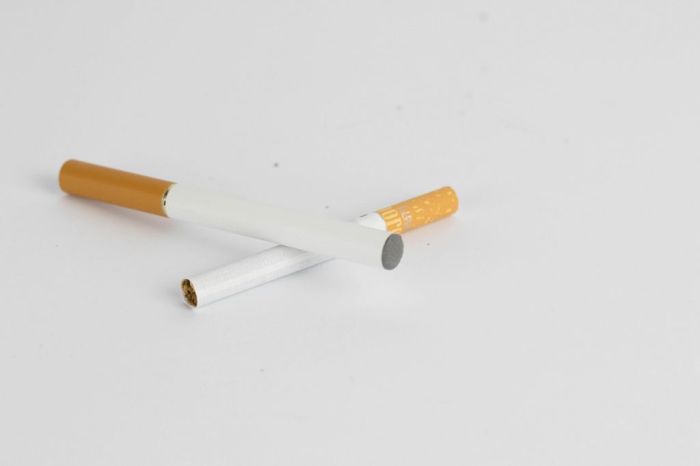
The allure of cartridge devices, particularly among young adults and teenagers, is undeniable. However, the convenience and perceived safety of these devices mask a darker side – the potential for significant long-term health consequences. Sustained use of cartridge devices exposes individuals to a cocktail of harmful chemicals, often at concentrated levels, with implications that extend far beyond the immediate experience.
Understanding these risks is crucial for making informed decisions about one’s health and well-being. This section delves into the long-term health risks associated with prolonged cartridge device usage, providing scientific evidence and highlighting the importance of early detection.
Respiratory Illnesses and Cartridge Devices
Prolonged use of cartridge devices poses a significant threat to respiratory health. The lungs, delicate organs designed for gas exchange, are particularly vulnerable to the irritants and toxins inhaled through these devices. Studies have linked vaping, including the use of cartridge devices, to an increased risk of several respiratory illnesses. One notable example is bronchiolitis obliterans, often referred to as “popcorn lung.” This irreversible condition causes scarring of the tiny air sacs in the lungs, leading to shortness of breath and chronic cough.
The flavoring chemicals, such as diacetyl, used in many e-liquids have been identified as a primary contributor to this condition.Furthermore, research indicates a heightened risk of developing chronic obstructive pulmonary disease (COPD) among long-term users. COPD encompasses a group of progressive lung diseases, including emphysema and chronic bronchitis, that obstruct airflow and make breathing difficult. While the exact mechanisms are still being investigated, the chronic exposure to irritants and the inflammatory response they trigger are believed to contribute to the development of COPD.Additionally, the use of cartridge devices can exacerbate existing respiratory conditions like asthma.
The inhaled substances can trigger asthma attacks and worsen the severity of symptoms. The long-term impact on lung function, including reduced lung capacity and increased susceptibility to respiratory infections, is a serious concern. The Centers for Disease Control and Prevention (CDC) has documented numerous cases of vaping-associated lung injury (EVALI), a severe and sometimes fatal lung disease linked to the use of e-cigarette or vaping products.
This underscores the urgent need for further research and public health interventions to mitigate the respiratory risks associated with cartridge devices.
Cardiovascular Problems and Cartridge Devices
Beyond respiratory health, sustained use of cartridge devices is associated with an increased risk of cardiovascular problems. The cardiovascular system, responsible for transporting blood throughout the body, is affected by the chemicals inhaled through these devices. Nicotine, a common component of e-liquids, is a stimulant that raises heart rate and blood pressure, placing additional strain on the heart. Over time, this can contribute to the development of hypertension, a major risk factor for heart disease and stroke.Moreover, the chemicals in e-liquids can damage blood vessels, leading to the formation of plaque and the hardening of arteries, a condition known as atherosclerosis.
This process restricts blood flow and increases the risk of heart attacks and strokes. Studies have shown that vaping can impair endothelial function, the ability of blood vessels to relax and dilate properly, further increasing the risk of cardiovascular events.The long-term effects on the cardiovascular system are a serious concern. The increased risk of heart disease, stroke, and other cardiovascular problems highlights the need for careful consideration of the potential health consequences associated with prolonged cartridge device usage.
The American Heart Association (AHA) has issued warnings about the cardiovascular risks of vaping, emphasizing the importance of public awareness and preventive measures.
Potential for Certain Types of Cancer and Cartridge Devices
The long-term effects of cartridge device usage also extend to the potential for certain types of cancer. While the full extent of the cancer risk is still under investigation, several studies have raised concerns about the carcinogenic potential of the chemicals found in e-liquids and the aerosol produced by these devices. Some of the chemicals identified in e-liquids, such as formaldehyde and acetaldehyde, are known carcinogens.Exposure to these chemicals over an extended period can increase the risk of developing various cancers, including lung cancer, bladder cancer, and oral cancers.
The specific mechanisms by which cartridge devices may contribute to cancer development are complex and involve DNA damage, inflammation, and immune system suppression. The International Agency for Research on Cancer (IARC) has classified some of the chemicals found in e-cigarette aerosols as potential carcinogens.The long latency period associated with cancer development means that the full impact of cartridge device usage on cancer risk may not be fully understood for several years.
However, the existing evidence and the known carcinogenic properties of some of the chemicals present in e-liquids warrant serious concern and continued research. The American Cancer Society (ACS) has emphasized the need for further research to assess the long-term cancer risks associated with vaping.
Symptoms of Potential Long-Term Health Problems
Early detection is critical in managing potential long-term health problems associated with cartridge device usage. Recognizing the symptoms of these conditions can lead to timely diagnosis and treatment, improving the chances of a positive outcome.
- Respiratory Symptoms:
- Persistent cough, especially if worsening over time.
- Shortness of breath, even during minimal activity.
- Wheezing or whistling sounds during breathing.
- Chest pain or tightness.
- Recurrent respiratory infections, such as bronchitis or pneumonia.
- Cardiovascular Symptoms:
- Chest pain or discomfort.
- Shortness of breath.
- Irregular heartbeat (palpitations).
- Dizziness or lightheadedness.
- Swelling in the legs or ankles.
- Other Symptoms:
- Unexplained fatigue.
- Weight loss or gain.
- Changes in appetite.
- Skin rashes or lesions.
- Mouth sores or changes in the mouth.
It is important to consult a healthcare professional if any of these symptoms are experienced, especially if there is a history of cartridge device usage. Regular check-ups and screenings can help detect potential health problems early, allowing for timely intervention and improving the chances of a positive outcome. Remember, your health is a journey, and early awareness and action are vital.
Exploring the Legal and Regulatory Landscape Surrounding Cartridge Devices
The legal status of cartridge devices and the substances they contain is a tangled web, a constantly shifting landscape shaped by evolving scientific understanding, public health concerns, and, of course, the ever-present influence of politics and lobbying. Navigating this environment requires a keen understanding of the nuances, the regional variations, and the potential future directions. Let’s untangle this complicated knot.
Current Legal Status and Substance Regulations
The legal terrain for cartridge devices is anything but uniform. It’s a patchwork quilt, with each jurisdiction – be it a country, a state, or even a city – having its own set of rules. This creates a confusing situation for both consumers and businesses.In many places, the legality hinges on the substance contained within the cartridge. For instance:* Nicotine cartridges: These are generally legal, though heavily regulated, in many countries.
However, they are often subject to excise taxes, age restrictions, and advertising limitations.
THC cartridges
The legal status of these varies dramatically. In countries and regions where cannabis is legal for recreational or medical use, THC cartridges are legal, often with regulations regarding potency, testing, and packaging. In places where cannabis remains illegal, possession and use of THC cartridges can lead to severe penalties.
Other substances
The legality of cartridges containing substances like synthetic cannabinoids or other psychoactive compounds is even more complex. These are often banned outright, and the laws are constantly evolving as new substances emerge.The regulatory landscape is further complicated by the fact that laws are often slow to catch up with technological advancements. This can lead to situations where devices are legal, but the substances they contain are not, or vice versa.
The industry is under constant scrutiny, and regulations are frequently updated in response to public health concerns or new scientific findings.
Regulations and Restrictions on Sale, Distribution, and Use
Governments have implemented various measures to control the sale, distribution, and use of cartridge devices, focusing on protecting vulnerable populations, ensuring product safety, and minimizing potential health risks.These regulations often include:* Age restrictions: Most jurisdictions have set a minimum age for the purchase and use of cartridge devices, typically 18 or 21, mirroring age restrictions for tobacco products.
Advertising limitations
Restrictions on advertising aim to prevent the appeal of these devices to young people. These can include bans on certain types of advertising, limitations on the placement of advertisements, and requirements for health warnings.
Product safety standards
Regulations often mandate product testing, quality control measures, and ingredient disclosures to ensure the safety of the devices and the substances they contain.
Packaging and labeling requirements
Standardized packaging and clear labeling are crucial for providing consumers with information about the product’s contents, potential health risks, and proper usage.
Taxation
Governments frequently impose excise taxes on cartridge devices and the substances they contain to generate revenue and potentially discourage their use.It is important to understand that the effectiveness of these regulations can vary widely depending on the level of enforcement and the resources available to regulatory bodies.
Comparative Regulatory Approaches
The regulatory approaches to cartridge devices differ significantly across jurisdictions. The following table provides a simplified comparison of key regulations in a few select regions:
| Jurisdiction | Age Restriction | Advertising Restrictions | Product Safety Standards | Substance Regulations (Example: THC) |
|---|---|---|---|---|
| United States (Federal) | 21 (for nicotine products; state-level variations exist) | Restrictions on advertising to minors; required health warnings | FDA oversight of manufacturing standards for nicotine products; testing requirements vary by state for THC products | Federally illegal; state-level legalization for medical and/or recreational use varies widely |
| Canada | 18-19 (provincial/territorial variations) | Plain packaging and standardized appearance; advertising restrictions | Stringent testing and manufacturing standards for vaping products | Legal for medical and recreational use; regulated by Health Canada |
| United Kingdom | 18 | Advertising restrictions; health warnings | Product notification scheme; safety standards | Legal, with nicotine products regulated by the Tobacco and Related Products Regulations 2016 |
| Australia | 18 | Advertising restrictions; plain packaging | Standards for nicotine content and product labeling; state-level regulations for THC | Nicotine vaping products require a prescription; THC products illegal except in some medical cases |
This table highlights the diverse approaches taken by different countries. The U.S. demonstrates a complex, multi-layered regulatory landscape, with federal and state laws often conflicting. Canada and the UK have taken a more proactive approach, with stricter regulations and a focus on public health. Australia has adopted a more cautious approach, with tighter restrictions on access to nicotine products.
These differences underscore the ongoing debate about the appropriate balance between individual freedom, public health, and economic considerations.
Understanding the Addictive Nature and Potential for Dependence on Cartridge Devices
The allure of cartridge devices, often marketed as a safer alternative to traditional cigarettes, can be deceptive. While the technology might seem advanced, the core issue remains: these devices often deliver highly addictive substances, primarily nicotine, directly to the user. Understanding the addictive potential and recognizing the signs of dependence is crucial for anyone considering or currently using these devices.
The consequences of addiction extend beyond the physical, impacting mental health, social life, and overall well-being. This section delves into the mechanisms of addiction, the symptoms of dependence, and the resources available to break free from the grip of cartridge devices.
The Addictive Properties of Nicotine and the Brain’s Reward System
Nicotine, the primary addictive substance in most cartridge devices, is a powerful stimulant that rapidly affects the brain. When nicotine is inhaled, it travels quickly to the brain, where it binds to receptors that trigger the release of dopamine, a neurotransmitter associated with pleasure and reward. This surge of dopamine creates a feeling of euphoria and satisfaction, reinforcing the behavior of using the cartridge device.Over time, the brain adapts to the repeated exposure to nicotine.
The receptors become less sensitive, requiring higher doses of nicotine to achieve the same pleasurable effect. This phenomenon, known as tolerance, leads users to increase their consumption to maintain the desired level of satisfaction. This cycle of use, tolerance, and increased consumption is a hallmark of addiction.Beyond dopamine, nicotine also affects other brain chemicals, including serotonin and norepinephrine, which can influence mood, appetite, and alertness.
These combined effects contribute to the complex nature of nicotine addiction, making it difficult to quit. The brain essentially rewires itself to prioritize nicotine intake, making it a powerful and persistent urge. The brain’s reward system, hijacked by nicotine, becomes the driving force behind the continued use of cartridge devices. This is a classic example of how substances can manipulate the body’s natural processes.It’s important to remember that cartridge devices are not simply delivering nicotine.
They often contain other chemicals and flavorings, some of which may have their own addictive potential or contribute to the overall addictive experience. The combination of nicotine and these other substances can create a potent cocktail that is difficult to resist.
Signs and Symptoms of Nicotine Addiction and Dependence
Recognizing the signs and symptoms of nicotine addiction is the first step toward seeking help. Addiction manifests in various ways, but some common indicators include:
- Cravings: Intense urges to use the cartridge device, often triggered by specific situations, emotions, or environments. These cravings can be overwhelming and difficult to ignore.
- Withdrawal Symptoms: Experiencing physical and psychological symptoms when not using the cartridge device.
- Tolerance: Needing to use more of the cartridge device to achieve the same effect.
- Loss of Control: Inability to control the amount of cartridge device use or the frequency of use.
- Continued Use Despite Negative Consequences: Using the cartridge device even when it causes health problems, financial difficulties, or relationship issues.
- Neglecting Responsibilities: Prioritizing cartridge device use over work, school, or other important activities.
- Withdrawal symptoms include: Irritability, anxiety, difficulty concentrating, restlessness, increased appetite, and sleep disturbances. These symptoms typically peak within the first few days of quitting and can last for several weeks.
If you experience several of these signs and symptoms, you may be addicted to nicotine and should seek professional help. The earlier the intervention, the better the chances of a successful recovery.
Methods and Resources for Quitting Cartridge Devices
Quitting cartridge devices is a challenging but achievable goal. There are numerous methods and resources available to support individuals through the quitting process. A combination of approaches often yields the best results.
- Nicotine Replacement Therapy (NRT): These products provide a controlled dose of nicotine to help manage withdrawal symptoms and cravings. Examples include:
- Nicotine patches
- Nicotine gum
- Nicotine lozenges
- Nicotine inhalers
- Nicotine nasal sprays
- Medications: Prescription medications can help reduce cravings and withdrawal symptoms. Common medications include:
- Bupropion (Zyban)
- Varenicline (Chantix)
- Counseling and Behavioral Therapies: These therapies help individuals develop coping mechanisms, identify triggers, and build support systems.
- Cognitive Behavioral Therapy (CBT)
- Motivational Interviewing
- Support Groups: Sharing experiences and receiving encouragement from others who are going through the same challenges can be incredibly beneficial.
- Nicotine Anonymous (NA)
- Smokers Anonymous
- Online support forums
- Local support groups offered by hospitals or community centers
- Hotlines and Helplines: These services provide immediate support and guidance.
- The National Cancer Institute’s Smoking Quitline: 1-800-QUIT-NOW
- Smokefree.gov
- Apps and Online Programs: These resources offer personalized support, tracking tools, and educational materials.
It’s essential to consult with a healthcare professional to determine the most appropriate quitting strategy. They can assess your individual needs and recommend a tailored plan. Remember that relapse is a common part of the quitting process, but it doesn’t mean failure. It’s an opportunity to learn from the experience and try again with renewed determination.
Investigating the Social and Economic Impacts of Cartridge Device Usage
The increasing prevalence of cartridge device usage, particularly among young adults and teenagers, has triggered a cascade of social and economic consequences. These impacts extend far beyond the individual user, affecting communities, healthcare systems, and the broader economy. Understanding these ramifications is crucial for developing effective prevention strategies, implementing appropriate regulations, and mitigating the negative effects of cartridge device use.
Social Implications of Cartridge Device Usage
The social fabric of our communities is interwoven with norms, attitudes, and public health concerns. The widespread adoption of cartridge devices is subtly reshaping these elements. The social implications are multifaceted and deserve careful consideration.The use of cartridge devices has subtly influenced social norms. What was once a relatively niche activity, often associated with specific social circles, is now becoming more mainstream.
This normalization can lead to:
- Increased social acceptance: As cartridge device use becomes more common, the stigma associated with it may lessen. This can create a social environment where experimenting with these devices is perceived as less risky or even fashionable.
- Peer pressure: Young people, in particular, are susceptible to peer influence. The perceived prevalence of cartridge device use among friends and peers can exert pressure to conform, leading to increased experimentation and use.
- Shifting social boundaries: The act of vaping, often done in public spaces, is altering how people interact and perceive each other. It challenges established norms about where and when it’s acceptable to use these devices.
Public health is another critical area impacted by cartridge device usage. The rise in vaping has coincided with:
- Increased rates of nicotine addiction: Nicotine, a highly addictive substance found in most cartridge devices, can quickly lead to dependence. This can have serious consequences for physical and mental health.
- Respiratory illnesses: Studies have linked vaping to a variety of respiratory problems, including EVALI (E-cigarette or Vaping product use-Associated Lung Injury).
- Exposure to harmful chemicals: Cartridge devices often contain chemicals, flavorings, and additives, some of which are known to be harmful when inhaled.
Community attitudes toward cartridge devices are also evolving. There’s a growing awareness of the potential risks, leading to:
- Calls for stricter regulations: Many communities are advocating for stricter laws regarding the sale, marketing, and use of cartridge devices.
- Increased public health campaigns: Efforts are underway to educate the public about the dangers of vaping and to provide resources for those seeking to quit.
- Community-based initiatives: Local organizations are working to address the problem through education, prevention programs, and support services.
Economic Costs Associated with Cartridge Device Usage
The economic burden associated with cartridge device usage is substantial, encompassing healthcare expenses, lost productivity, and the financial strain on individuals and society. The costs are multifaceted and require a comprehensive approach to understand.Healthcare expenses represent a significant financial burden. These include:
- Treatment of vaping-related illnesses: The rising incidence of respiratory illnesses and other health problems linked to vaping increases healthcare costs, including hospitalizations, doctor visits, and medications.
- Long-term health complications: Chronic conditions such as lung disease, heart disease, and certain cancers may result from prolonged vaping. These conditions often require costly, long-term medical care.
- Mental health treatment: Nicotine addiction can worsen existing mental health issues and contribute to new ones, increasing the need for mental health services.
Lost productivity is another key economic factor. The effects of cartridge device usage on productivity can be substantial. This includes:
- Absenteeism from work or school: Individuals experiencing health problems due to vaping may miss work or school, leading to lost productivity and academic setbacks.
- Reduced work performance: The effects of nicotine withdrawal, health problems, and addiction can impair cognitive function and productivity.
- Premature mortality: In severe cases, vaping can contribute to premature death, resulting in a loss of potential economic contribution to society.
The financial burden on individuals and society is considerable. This involves:
- Direct costs of cartridge devices: The cost of purchasing devices, cartridges, and related accessories can be significant, particularly for those who vape frequently.
- Costs of addiction treatment: Individuals seeking help for nicotine addiction may incur costs for therapy, medication, and support groups.
- Indirect costs: These include costs associated with secondhand exposure to vaping aerosols, law enforcement, and regulatory enforcement.
Arguments For and Against the Economic Impacts
The economic consequences of cartridge device usage are subject to debate, with differing viewpoints on the magnitude and distribution of costs and benefits.
Arguments For (Higher Economic Costs):
- Healthcare Costs: Data from the CDC and other public health agencies indicates a significant increase in healthcare spending related to vaping-related illnesses and conditions. For example, a 2023 study estimated that the healthcare costs associated with EVALI alone exceeded $1 billion.
- Lost Productivity: Studies have demonstrated a correlation between nicotine addiction and reduced work performance. The National Institute on Drug Abuse (NIDA) estimates that substance abuse, including nicotine addiction, costs the US economy hundreds of billions of dollars annually due to lost productivity.
- Increased Healthcare Utilization: Research from various sources, including the American Lung Association, suggests that individuals who vape are more likely to seek healthcare services, increasing the burden on the healthcare system.
Arguments Against (Lower or Offset Economic Costs):
- Tax Revenue: Governments collect significant tax revenue from the sale of cartridge devices and e-liquids. This revenue can offset some of the economic costs associated with vaping.
- Potential for Harm Reduction: Some argue that cartridge devices can serve as a harm reduction tool for smokers, potentially leading to lower healthcare costs associated with smoking-related illnesses. However, this is still a subject of scientific debate.
- Employment in the Vaping Industry: The vaping industry generates employment opportunities in manufacturing, retail, and related sectors, contributing to economic activity.
Addressing the Strategies for Prevention and Education Regarding Cartridge Devices
The battle against cartridge device usage, particularly among young people, demands a multi-faceted approach. Public health campaigns and educational programs are not merely beneficial; they are critical in mitigating the risks and fostering informed decision-making. These initiatives act as the first line of defense, equipping individuals with the knowledge and skills needed to resist the allure of these devices and protect their well-being.
A proactive and comprehensive strategy is vital to safeguard public health and minimize the negative consequences associated with cartridge device use.
The Significance of Public Health Campaigns and Educational Programs
Public health campaigns and educational programs serve as powerful tools in preventing cartridge device usage, especially among young people. They function by increasing awareness of the risks, challenging social norms, and providing resources for cessation. Without these interventions, misinformation can spread rapidly, and the normalization of vaping can lead to increased usage rates, particularly among vulnerable populations. A strong emphasis on prevention, supported by evidence-based strategies, is crucial to curb the epidemic of cartridge device use and its associated health problems.
Effective Strategies and Educational Approaches
To be truly effective, prevention and education initiatives must employ a variety of approaches tailored to different audiences. These include:
- Targeted Messaging: Developing messages specifically for young people, addressing their unique concerns and motivations. This might involve highlighting the potential for addiction, the impact on lung health, and the deceptive marketing tactics used by cartridge device manufacturers.
- School-Based Programs: Integrating educational programs into school curricula, providing accurate information about the dangers of cartridge devices, and teaching refusal skills. These programs can also incorporate peer-to-peer education, where students learn from and support each other.
- Community Engagement: Collaborating with community organizations, healthcare providers, and parents to disseminate information and promote healthy behaviors. This can involve hosting workshops, distributing educational materials, and organizing awareness events.
- Media Campaigns: Utilizing various media channels, including social media, television, and radio, to reach a wide audience with impactful messages. These campaigns should be designed to be engaging and memorable, using relatable stories and compelling visuals.
- Parental Education: Providing parents with resources and information about cartridge devices, including how to talk to their children about the risks and how to recognize signs of use. This can empower parents to play an active role in prevention.
Examples of Successful Prevention Campaigns and Educational Programs
Numerous successful initiatives have demonstrated the effectiveness of various prevention strategies. Consider these examples:
- Truth Initiative: This organization has run numerous campaigns aimed at preventing youth tobacco and nicotine use. Their campaigns, often featuring hard-hitting messages and graphic imagery, have been widely credited with raising awareness about the dangers of vaping and smoking. The target audience is primarily young adults and teenagers. Key messages focus on the manipulative tactics of the tobacco industry, the addictive nature of nicotine, and the health risks associated with vaping.
The outcomes include a measurable decline in youth smoking rates and a significant increase in awareness of the harms of e-cigarettes.
“Truth Initiative’s campaigns are a testament to the power of targeted messaging and creative content in reaching young people and changing their behaviors.”
- The Real Cost Campaign (FDA): Developed by the U.S. Food and Drug Administration (FDA), this campaign targets teenagers and young adults, highlighting the health risks of e-cigarettes. It uses impactful visuals and personal stories to convey the dangers of vaping. The campaign’s key messages emphasize the potential for addiction, the presence of harmful chemicals, and the long-term health effects of vaping. Outcomes have shown increased awareness among the target audience and a shift in attitudes towards vaping.
An illustration could depict a young person, seemingly healthy, exhaling a cloud of vapor. Then, as the image transitions, the vapor morphs into a shadowy, skeletal representation of the person’s lungs, highlighting the potential for lung damage.
“The Real Cost campaign demonstrates the importance of using relatable stories and impactful visuals to communicate complex health risks.”
- Local School District Programs: Many school districts across the country have implemented programs to educate students about the dangers of vaping. These programs often include classroom lessons, presentations from health professionals, and peer-led discussions. Target audiences are middle and high school students. Key messages include the addictive nature of nicotine, the impact on brain development, and the risks of exposure to harmful chemicals.
Outcomes have included a decrease in reported vaping rates among students and increased awareness of the risks. An example of a successful program includes a peer-led presentation where students, using a mock-up of a cartridge device, discuss the various components and their potential health implications, followed by role-playing scenarios to practice refusal skills.
“Local school programs provide a crucial layer of support by addressing the issue directly within the educational environment.”
Considering the Future Trends and Developments in Cartridge Device Technology
The cartridge device landscape is a dynamic space, constantly evolving with technological advancements and shifting consumer preferences. This section explores the emerging trends and potential future trajectories of this technology, analyzing the driving forces behind these changes and their possible implications. We’ll examine innovations in device design, substance delivery, and user experience, while also considering the challenges and opportunities that lie ahead for the industry.
Emerging Trends and Innovations in Cartridge Device Technology
The cartridge device market is seeing a surge in innovation, driven by consumer demand for improved performance, safety, and convenience. Several key trends are shaping the future of these devices.
- Advancements in Device Design: We’re witnessing a move towards more sophisticated and user-friendly designs. Devices are becoming smaller, sleeker, and more discreet, catering to a wider range of preferences. Materials science plays a crucial role, with manufacturers experimenting with durable, heat-resistant, and aesthetically pleasing materials. For example, some devices now incorporate aerospace-grade aluminum alloys for enhanced durability and thermal management, coupled with ergonomic designs for comfortable handling.
- Substance Delivery Methods: The focus is on optimizing the vaporization process for enhanced flavor profiles and efficient delivery. This includes advancements in coil technology, such as the use of ceramic heating elements and mesh coils, which offer more even heating and reduce the risk of combustion. Temperature control features are becoming increasingly common, allowing users to customize their experience. Some devices utilize microprocessors to precisely regulate temperature, preventing overheating and ensuring consistent vapor production.
- User Experience Enhancements: The industry is prioritizing user-friendliness and personalized experiences. Features like smart batteries that automatically adjust voltage based on the cartridge type, intuitive interfaces, and mobile app integration are becoming more prevalent. This is about making the process of using the device more seamless and enjoyable. Imagine a device that learns your preferred settings and automatically adjusts them based on your usage patterns, providing a tailored experience.
- Integration of Health and Safety Features: Manufacturers are increasingly incorporating safety features to address concerns about product safety. This includes features like overcharge protection, short-circuit protection, and child-resistant mechanisms. There is a growing trend toward using third-party testing and certification to ensure product quality and compliance with safety standards.
Potential Future Developments and Challenges Facing the Cartridge Device Industry
The future of cartridge devices is subject to a complex interplay of factors, including regulatory changes, consumer demand, and technological breakthroughs. The industry faces both opportunities and significant challenges.
- Evolving Regulations: Regulations are expected to become stricter as governments and health organizations grapple with the implications of cartridge device use. This could lead to increased product testing, labeling requirements, and restrictions on advertising and marketing. Compliance with these regulations will be a major challenge for manufacturers. The implementation of standardized testing protocols, similar to those used in the pharmaceutical industry, could become commonplace.
- Consumer Preferences: Consumer preferences will continue to evolve, with a growing demand for safer, more effective, and environmentally friendly products. This will drive innovation in areas such as sustainable materials, recyclable components, and alternative substance delivery methods. The demand for transparency regarding product ingredients and manufacturing processes will also increase.
- Technological Advancements: Continuous technological advancements will shape the future of cartridge devices. This includes innovations in battery technology, such as solid-state batteries, which offer increased power density and safety. The development of advanced sensors and monitoring systems could provide real-time feedback on device performance and user health metrics.
- Counterfeit Products: The proliferation of counterfeit cartridge devices poses a significant challenge. These products often contain harmful substances and pose serious health risks. The industry needs to develop effective strategies to combat counterfeiting, such as using unique identifiers, tamper-proof packaging, and supply chain tracking.
- Alternative Substance Delivery Systems: Competition from alternative delivery systems, such as edibles and other vaporizing technologies, could impact the cartridge device market. Manufacturers will need to innovate and differentiate their products to maintain market share. The development of devices that are compatible with a wider range of substances could be a key factor in future success.
Long-Term Prospects of Cartridge Devices
The long-term prospects of cartridge devices are complex, with the potential for both positive and negative impacts. The following points summarize the potential impact:
- Potential Impact on Public Health: The impact on public health will depend on factors such as product safety, regulatory oversight, and user behavior. If cartridge devices are used as a safer alternative to combustible products, they could potentially reduce harm. However, if they lead to increased nicotine addiction or the use of illicit substances, they could have negative consequences. A balanced approach that emphasizes harm reduction strategies and consumer education is essential.
- Evolving Consumer Landscape: The consumer landscape is likely to become more diverse, with a wider range of product choices and user preferences. The market will cater to different needs, from those seeking recreational use to those looking for therapeutic applications. The industry will need to adapt to these changing demands and provide a range of products to meet consumer needs. The development of personalized devices that cater to individual preferences will become increasingly important.
- Innovation and Technological Advancements: Continuous innovation will drive the evolution of cartridge devices. Expect improvements in battery life, heating technology, and user interfaces. The integration of smart features and connectivity will enhance the user experience. Manufacturers will need to invest in research and development to stay ahead of the competition.
- Economic Considerations: The economic impact of cartridge devices will be significant. The industry will create jobs, generate tax revenue, and stimulate economic activity. However, there are also potential negative economic impacts, such as healthcare costs associated with device-related health problems. Governments will need to consider these factors when developing regulations and policies.
